
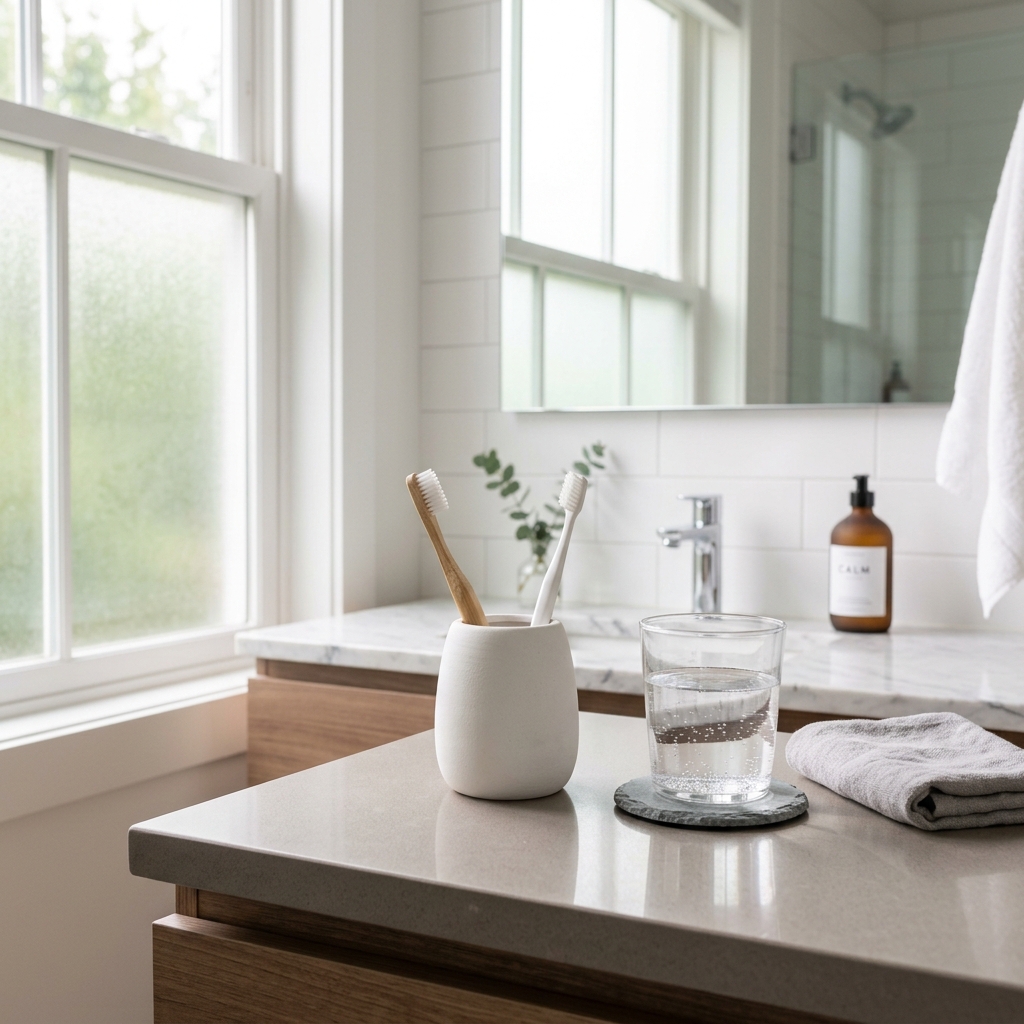
Learn how to safely brush and clean your teeth after dental implant surgery. Follow our step-by-step recovery hygiene timeline to protect your healing implant.
Maintaining a clean mouth is one of the most critical aspects of recovery following dental implant placement. Proper oral hygiene removes harmful bacteria, reduces the risk of post-operative infection, and supports rapid tissue healing. However, because your gums and underlying bone have just undergone a surgical procedure, your normal brushing routine must be modified temporarily.
Patients frequently ask whether they can pick up their toothbrush and brush as usual right after surgery. The direct answer is that while you must continue keeping your other teeth clean, you cannot brush the surgical site normally for the first several days.
Brushing too aggressively or too soon over the surgical incision can dislodge the essential blood clot, irritate delicate sutures, and cause unnecessary bleeding or delayed healing. To help you navigate this important recovery window safely, here is a day-by-day oral hygiene guide developed according to clinical best practices.
Day 1: The First 24 Hours (Protect the Surgical Site)
The first twenty-four hours after your dental implant procedure are vital for establishing a stable blood clot inside the surgical site. This clot seals the wound, protects the bone and titanium post from oral bacteria, and provides a biological matrix for new tissue growth.
- Do not brush the surgical area: Do not allow toothbrush bristles to touch the implant site, healing cap, or nearby stitches on the day of surgery.
- Brush non-operated teeth with extreme caution: You may gently brush your other natural teeth that are far away from the surgical area using a manual soft-bristle toothbrush, being careful not to get close to the wound.
- Do not rinse or spit forcefully: Avoid using mouthwashes, and do not spit toothpaste into the sink with force. Instead, lean over the sink and let saliva and foam drip out naturally. Forceful spitting creates negative pressure that can dislodge the blood clot.
Days 2 to 7: Gentle Hygiene and Salt Water Rinses
Beginning on the second day, you can begin reintroducing gentle oral hygiene protocols to keep your mouth clean and fresh without disturbing the healing gums.
- Warm Salt Water Rinses: Dissolve one-half teaspoon of table salt into eight ounces of warm water. Take a mouthful of the solution and gently tilt your head from side to side for thirty seconds, allowing the water to bathe the surgical area. Let the water fall passively from your mouth into the sink. Repeat this rinse four to five times daily, particularly after meals.
- Gentle Manual Brushing: Continue brushing your remaining natural teeth twice daily using a soft-bristle toothbrush. Approach the teeth adjacent to the implant site very gently, stopping just short of the incision and stitches.
- Avoid Electric Toothbrushes Near the Site: If you use a sonic or oscillating electric toothbrush, switch to a manual brush for the first week or two. The micro-vibrations and rapid bristle movements of electric brushes can agitate healing tissues.
- Prescribed Antibacterial Rinses: If Dr. Wang prescribes an antimicrobial rinse such as Chlorhexidine Gluconate, use it exactly as directed, usually twice daily after gentle brushing.
Weeks 2 to 4: Suture Removal and Transitional Cleaning
By the second week, your initial soft tissue incisions will have closed substantially, and any non-dissolvable sutures will typically be removed during your follow-up appointment.
- Cleaning the Implant Healing Cap: You may begin very gently cleaning around the implant healing abutment using an ultra-soft surgical toothbrush or extra-soft manual brush. Use light, sweeping motions without scrubbing back and forth aggressively.
- Interdental Cleaning: You can resume normal flossing between your natural teeth. However, do not force traditional floss beneath the gumline around the healing implant until your dentist provides clearance.
Long-Term Oral Hygiene for Fully Integrated Implants
Once your implant has fully integrated with the bone and your permanent custom porcelain or zirconia crown is in place, you can return to a full, effective hygiene routine. In fact, long-term maintenance is essential for preventing peri-implant diseases such as peri-implant mucositis and peri-implantitis.
- Choose the Right Toothbrush: Both manual soft-bristle toothbrushes and high-quality sonic electric toothbrushes are safe and effective for cleaning permanent dental implants. Electric toothbrushes with pressure sensors are especially helpful for preventing over-brushing.
- Use Non-Abrasive Toothpaste: Avoid highly abrasive whitening toothpastes, charcoal powders, and baking soda formulas. These abrasive pastes can scratch the polished ceramic glaze of your crown and the titanium collar, creating microscopic grooves where plaque can harbor. Look for toothpastes with a low Relative Dentin Abrasivity (RDA) rating under seventy to eighty.
- Clean Between Teeth Daily: Use specialized implant-safe floss, spongy bridge floss, or interdental brushes with plastic-coated or nylon-coated wires. Never use interdental brushes with exposed metal wire cores around implants, as the metal can scratch the titanium surface.
- Utilize a Water Flosser: Oral irrigators set to a low or medium pressure setting are exceptionally effective at flushing away food debris and bacteria from beneath the gum margins around implant crowns.
Common Hygiene Mistakes to Avoid After Surgery
- Using Alcohol-Based Mouthwashes: Over-the-counter mouthwashes containing high alcohol concentrations can dry out oral tissues and sting healing incisions. Always choose alcohol-free formulas.
- Scrubbing with Hard Bristles: Hard or medium bristles can cause gum recession and damage delicate peri-implant tissues.
- Skipping Post-Operative Checkups: Routine follow-up visits allow Dr. Wang to monitor tissue healing, ensure the implant is integrating smoothly, and verify your home care technique.
Frequently Asked Questions
What should I do if the implant site bleeds slightly while brushing?
Minor pink-tinged saliva is normal in the first forty-eight hours. If you notice slight oozing after brushing, place a clean, damp piece of sterile gauze over the area and bite down gently with steady pressure for twenty to thirty minutes.
When can I use my electric toothbrush again?
You can safely resume using an electric toothbrush on non-surgical teeth after the first few days, but wait until your dentist gives approval, usually around four to six weeks, before using it directly over the implant area.
Personalized Dental Care and Guidance in Walnut, CA
At The Honest Tooth Dentistry in Walnut, California, Dr. Mark Wang and our dedicated team are committed to guiding you through every step of your implant journey. If you have questions about your post-operative care, contact our office today.