
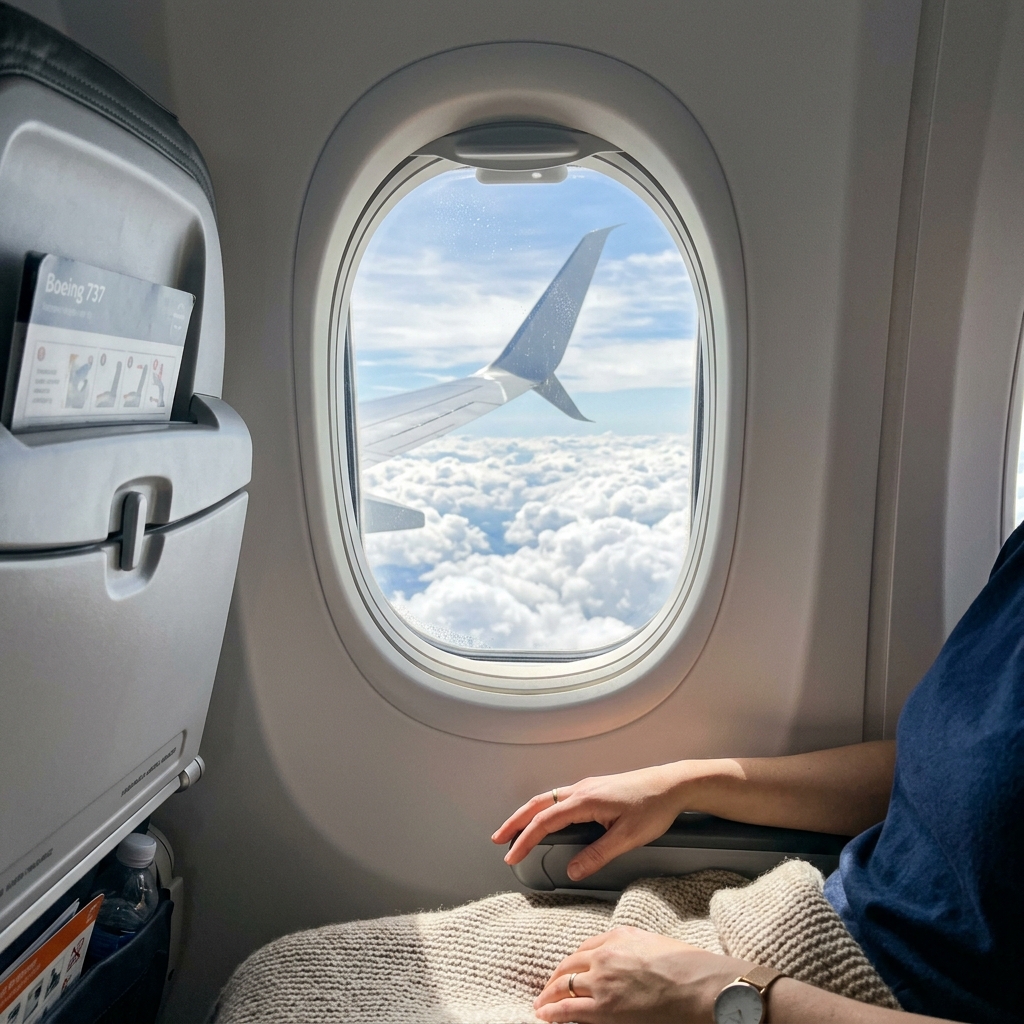
Planning to travel by plane after dental implant surgery? Learn how cabin pressure changes affect healing, when it is safe to fly, and essential travel tips.
Whether for business commitments, a long-planned family vacation, or traveling home from out of town, many patients need to know whether it is safe to fly on a commercial airplane after undergoing dental implant surgery. Air travel involves significant changes in atmospheric barometric pressure, dry cabin environments, and prolonged sitting, all of which can influence post-surgical tissue healing.
The short answer is that for a simple, single dental implant in the lower jaw or front of the mouth, it is generally safe to fly within twenty-four to forty-eight hours after surgery. However, if your procedure involved an upper jaw sinus lift, extensive ridge bone grafting, or complex multi-implant reconstruction, you should wait at least ten to fourteen days before boarding an airplane.
Understanding how cabin barometric pressure affects the oral cavity, bone grafts, and facial sinuses will help you travel safely without risking acute discomfort or clinical complications. Here is an evidence-based overview of air travel guidelines following dental implant procedures.
How Airplane Cabin Pressure Affects Surgical Healing
Commercial passenger aircraft cruise at high altitudes between thirty thousand and forty thousand feet. Although modern airliner cabins are artificially pressurized, they are only pressurized to an equivalent altitude of approximately six thousand to eight thousand feet above sea level.
According to fundamental physics (Boyle's Law), as ambient atmospheric pressure decreases with altitude, trapped gases inside closed body cavities expand by approximately twenty to thirty percent. Here is how these physical pressure shifts interact directly with your oral recovery:
1. Sinus Pressure and Upper Jaw Implants
The maxillary sinuses are large, air-filled anatomical chambers located directly above the roots of your upper back molars and premolars. When teeth are lost in the upper jaw, bone resorption often leaves the alveolar ridge too thin to support an implant, requiring a procedure called a sinus lift (sinus augmentation). During a sinus lift, the delicate Schneiderian membrane lining the sinus cavity is carefully elevated to make room for bone grafting material.
When you fly at high cruising altitudes, the trapped air inside your maxillary sinuses expands. If you recently had a sinus lift, this expanding air exerts strong outward pressure against the healing sinus membrane and graft. This can cause intense facial pain, sudden nosebleeds, sinus membrane perforation, or displacement of bone graft particles before they can vascularize. For this reason, oral surgeons and implant specialists strictly advise waiting ten to fourteen days after sinus augmentation before flying.
2. Lower Jaw and Simple Single Implants
For implants placed in the lower mandible or in the front of the mouth where no sinus cavities exist, barometric pressure changes present a much lower clinical risk. In these cases, the main consideration is managing standard post-operative swelling and discomfort. Most patients can fly comfortably once initial inflammatory swelling begins subsiding, typically twenty-four to forty-eight hours after surgery.
3. Cabin Dehydration and Low Humidity
Aircraft cabin air is drawn from high altitudes and has an extremely low relative humidity level, frequently dropping below fifteen to twenty percent. This arid environment accelerates the evaporation of moisture from your oral mucosa, slowing soft tissue epithelialization and reducing natural salivary flow. Saliva is essential for cleansing the mouth and buffering oral bacteria, making diligent hydration crucial while flying.
Recommended Flying Timelines by Procedure Type
- Single Lower Jaw or Anterior Implant: Safe to fly within 24 to 48 hours once bleeding has completely ceased and swelling is well managed.
- Multiple Implants with Minor Bone Grafting: Wait 48 to 72 hours before flying to allow the initial inflammatory peak to pass safely.
- Implants with Upper Jaw Sinus Lift: Wait 10 to 14 days before flying to protect the sinus membrane and prevent barometric graft disruption.
- Full-Arch (All-on-4) Reconstruction: Wait at least 5 to 7 days before traveling to ensure you can attend immediate follow-up bite adjustments and suture checks.
Essential In-Flight Checklist for Dental Implant Patients
If you must travel by air shortly after your implant surgery, packing the right supplies in your carry-on bag will ensure a comfortable and stress-free trip:
- Carry All Medications: Keep your prescribed pain relievers, antibiotics, and antibacterial mouthwashes in your carry-on luggage where you can access them easily during flight delays or turbulence.
- Pack Sterile Gauze: Bring a small ziplock bag of sterile gauze pads. If mild pressure changes cause minor oozing at the surgical site, you can place a folded gauze pad over the area and bite down gently for twenty minutes.
- Stay Hydrated with Pure Water: Avoid in-flight alcoholic beverages, coffee, and sodas, all of which worsen dehydration. Drink a full cup of pure water for every hour you spend in the air.
- Request Ice from Flight Attendants: If you feel swelling or throbbing during your flight, ask a flight attendant for a small cup of ice wrapped in a napkin to use as an external cold compress against your cheek.
- Do Not Pinch Your Nose to Pop Your Ears: If you had an upper jaw implant or sinus lift, never perform the Valsalva maneuver (pinching your nostrils and blowing out forcefully) to equalize ear pressure, as this forces air pressure directly into the maxillary sinuses.
Frequently Asked Questions
Will dental implants set off airport metal detectors or TSA security scanners?
No. Dental implants are constructed from medical-grade titanium or zirconia, which are non-ferromagnetic materials. They will not set off airport walk-through metal detectors, hand wands, or advanced millimeter-wave TSA body scanners.
What should I do if I experience throbbing jaw pain during takeoff or landing?
Chew slowly on non-operated teeth or swallow frequently to help equalize ambient pressure in your Eustachian tubes. Taking your recommended over-the-counter pain medication thirty minutes before your flight departs provides reliable comfort throughout takeoff and landing.
Can I travel internationally immediately after dental implant surgery?
For long-haul international flights exceeding six to eight hours, it is best to schedule your departure at least three to five days after simple surgery (or two weeks after sinus lifts). This ensures you have direct access to your primary dentist if any unexpected questions or minor concerns arise.
Comprehensive Implant Consultations in Walnut, CA
At The Honest Tooth Dentistry in Walnut, California, Dr. Mark Wang provides clear, customized travel advice based on your specific procedure. If you have upcoming travel plans, let our team know during your consultation so we can design your treatment schedule accordingly.